Should You Upgrade From Your Phone? Choosing a First Camera for Content Creation
When a dedicated camera genuinely improves creator content, the differences between compacts, mirrorless cameras and action cameras, and which features matter for video and photography.
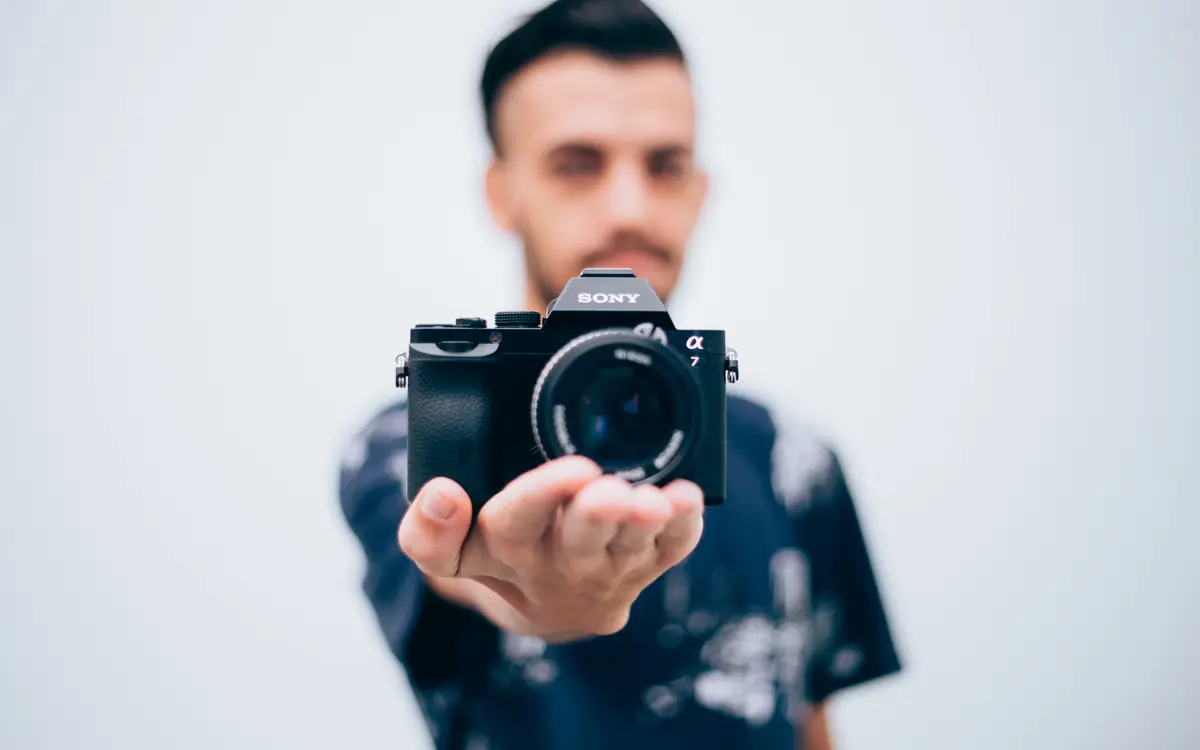
Modern phones are extraordinary cameras. Computational photography, stabilisation and multiple lenses mean many creators can produce excellent content without ever buying a dedicated camera. Yet at some point, many creators wonder whether an upgrade would make a difference.
This guide explains when a dedicated camera genuinely helps, the main types, and the features that matter most for creators. It is based on the documented characteristics of each camera category; check current reviews for specific models.
When your phone is enough
Your phone may be all you need if:
- You make mostly short-form vertical video.
- You film in good light.
- You value speed: shoot, edit and post from one device.
- Your audio is good (a microphone usually improves content more than a camera).
- You film yourself at arm's length or on a tripod at close range.
Before buying a camera, try improving lighting, audio and composition. They often matter more.
When a dedicated camera helps
- Low light: larger sensors capture cleaner images in dim conditions.
- Background blur: larger sensors and fast lenses produce natural background blur (shallow depth of field), which phones simulate with software, sometimes imperfectly.
- Lens choice: interchangeable lenses let you choose wide, portrait or macro looks optically.
- Reliability for long recordings: some phones overheat or limit recording length; many cameras handle long recordings better.
- Better control: manual settings, consistent colour and higher-quality recording formats for editing.
- Using your phone at the same time: a camera frees your phone for monitoring, notes or a second angle.
The main camera types
Premium compact cameras
Pocketable cameras with fixed lenses, often with larger sensors than phones (such as 1-inch sensors), and in some cases vlogging-specific features.
- Pros: small; simple; better image quality than many phones in some conditions; flip screens on vlogging models.
- Cons: fixed lens; prices can approach entry-level mirrorless cameras.
- Good for: vloggers and travel creators who want portability.
Mirrorless cameras
Interchangeable-lens cameras with electronic viewfinders or screens, available with APS-C, Micro Four Thirds and full-frame sensors.
- Pros: excellent image quality; lens flexibility; strong video features on many models; autofocus with face and eye detection.
- Cons: more expensive overall (body plus lenses); bulkier; steeper learning curve.
- Good for: YouTubers, photographers, fashion and beauty creators, and anyone wanting a significant quality upgrade.
Sensor sizes: APS-C and Micro Four Thirds bodies and lenses are generally smaller and more affordable; full-frame offers the best low-light performance and background blur but costs more.
Action cameras
Small, rugged cameras designed for movement, often waterproof, with strong stabilisation and wide lenses.
- Pros: durable; stabilisation; mountable almost anywhere.
- Cons: wide, distorted look by default; smaller sensors; limited background blur.
- Good for: sports, outdoor, travel and point-of-view content.
Gimbal cameras
Small cameras with built-in motorised stabilisers.
- Pros: smooth, stabilised video while walking; compact; often good subject tracking.
- Cons: small sensors; limited flexibility.
- Good for: walking vlogs, travel and run-and-gun content.
Features that matter for creators
Autofocus
Reliable face and eye tracking autofocus is crucial for solo creators filming themselves. Read reviews specifically about video autofocus, which differs from photo autofocus.
Flip screen
A screen that faces forward lets you frame yourself. Essential for solo video.
Stabilisation
In-body image stabilisation (IBIS), lens stabilisation and electronic stabilisation all help handheld footage.
Recording limits and overheating
Check how long a camera can record continuously and whether it overheats in warm conditions, especially for long tutorials and live streams.
Microphone input and headphone output
A 3.5 mm microphone input (or digital audio accessory port) is essential for good audio. A headphone output lets you monitor sound.
Vertical video support
Some cameras support vertical video natively, with metadata that platforms recognise. Useful for short-form creators.
Clean HDMI and webcam mode
For live streaming, the ability to output a clean feed or connect as a USB webcam is valuable.
Battery and power
Check battery life and whether the camera can be powered continuously via USB-C for long sessions.
Lens ecosystem
For mirrorless cameras, consider available lenses, including affordable third-party options.
Lenses for creators
If you choose mirrorless, the lens matters as much as the body:
- Wide zoom or wide prime (e.g. 10–18 mm on APS-C, around 16–24 mm full-frame equivalent): vlogging at arm's length, rooms.
- Standard prime (around 35–50 mm full-frame equivalent): talking-head videos, product shots, portraits; fast apertures give background blur.
- Macro: beauty details, jewellery, food, crafts.
A single fast standard prime is often the most impactful first lens upgrade for talking-head and product content.
Budget planning
Account for the full kit, not just the body:
- Body and at least one lens.
- Memory cards fast enough for video.
- Spare batteries.
- A microphone.
- A tripod.
- Possibly lights.
How to decide
- Write down what frustrates you about your current phone footage.
- Check whether lighting, audio or composition would fix it first.
- Choose the camera type that solves your specific frustration.
- Shortlist two or three models and read video-specific reviews.
- If possible, rent or borrow before buying.
A dedicated camera is a tool, not a guarantee. Upgrade when you know exactly what you want it to do better, and it will be one of the best investments you make.
Worked example: a realistic first upgrade budget
A creator moving from phone-only video to a first camera might allocate a budget like this:
- Camera body with a kit or simple prime lens: the largest share
- Microphone: a modest share, because audio usually matters more than resolution
- Extra batteries and fast memory cards: small but essential
- Tripod: a small share
- A soft light source: a small share
Buying a camera without a microphone or extra batteries is a common mistake. Planning the whole kit avoids it.
Frequently asked questions
Should I buy used? Used cameras and lenses from reputable dealers can offer good value, often with short warranties. Check shutter counts (for photography), sensor condition and return policies.
Does a better camera grow an audience? Rarely on its own. Content, storytelling, audio and consistency matter more.