Thrift, Vintage and Resale Content: How Fashion Creators Turn Second-Hand Into a Niche
Content formats for second-hand fashion, how to source and date vintage, the ethics of thrifting and resale, and ways to build a sustainable creator business around pre-owned clothing.
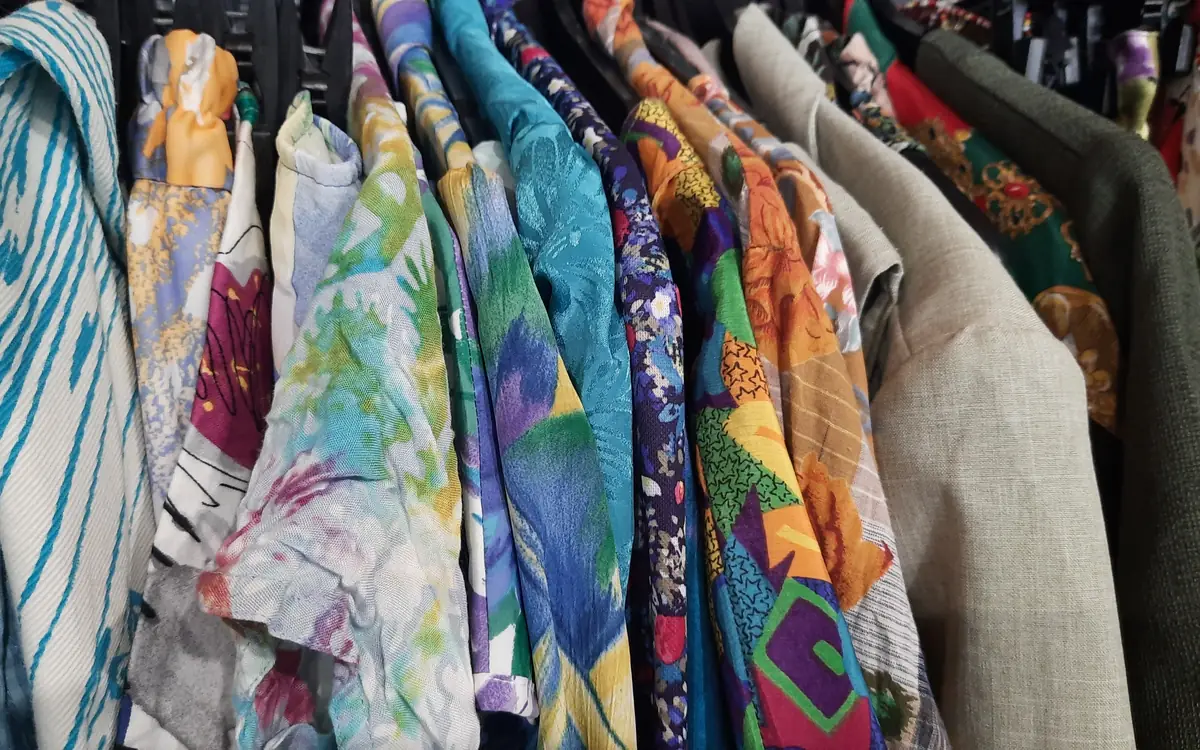
Second-hand fashion has moved from niche to mainstream. Charity shops, vintage stores, resale apps and swap events attract people for reasons ranging from budget to sustainability to the thrill of finding something nobody else has. For creators, second-hand content offers endless variety, natural storytelling and a way to make fashion content without constantly buying new.
Why second-hand content works
- Discovery: every haul is different. Viewers love the "find".
- Storytelling: vintage pieces come with history, era, label, previous life.
- Accessibility: viewers can recreate looks on a budget.
- Sustainability: extending the life of clothing is one of the most practical ways to reduce fashion's footprint.
- Expertise: knowledge of eras, labels, fabrics and quality is valuable and hard to fake.
Content formats
Thrift hauls and "come thrifting with me"
The classic format: show the shop, the hunt and the finds. Make it useful by explaining why you chose each piece: the fabric, construction, label or styling potential.
Thrift flips and alterations
Take a second-hand piece and transform it: hemming, taking in, dyeing, adding details. Before-and-afters perform well, and they teach practical skills.
Styling challenges
"Styling five charity shop pieces for under £30", "One vintage blazer, seven outfits". These show viewers how to integrate second-hand pieces into everyday wardrobes.
Education
- How to spot quality: seams, linings, fabric composition, buttons.
- How to date vintage by labels, zips and care tags.
- How to check for damage: underarms, collars, moth holes, stains.
- How to clean and care for vintage.
Educational content builds authority and tends to be searched and saved.
Resale and business content
If you sell second-hand clothing, share the process: sourcing, photographing, pricing, listing, shipping. Many viewers want to start reselling too.
Location guides
City or regional guides to the best charity shops, vintage stores and markets, kept up to date, are useful and search-friendly.
Learning to date vintage
Dating vintage is a skill that sets serious creators apart. Common clues:
- Labels: brand logos and label designs change over time. Collectors' resources and label archives help identify eras.
- Care labels: in many countries, care labels became standard from roughly the 1970s onward, and their symbols changed over time. The presence and style of a care label can help narrow the date.
- Zips: metal versus plastic zips, and zip brands, can indicate age.
- Construction: hand-finishing, seam types and union labels can offer clues.
- Sizing: vintage sizes often run smaller than modern ones; sizes on labels can also indicate the era.
Treat these as clues, not proof. When unsure, say "probably" and explain your reasoning. Viewers value honesty over false certainty.
The ethics of thrifting
Second-hand content has prompted debate about over-consumption and access.
Over-buying
Huge hauls can undermine the sustainability message, and buying far more than you need for content can contribute to the same over-consumption that fast fashion creates. Consider buying what you will genuinely wear or resell, and donating back what you do not.
Gentrification of thrift
Some people worry that the popularity of thrifting raises prices and removes affordable clothing from those who rely on it, particularly in plus sizes and basics. This is debated, but creators can be mindful by not stripping shops of essentials and by leaving affordable everyday basics for people who need them.
Charity shop etiquette
- Be respectful of staff and volunteers.
- Do not film other shoppers without consent.
- Ask before filming inside a shop; some prefer that you do not.
- Remember that charity shops exist to raise money for causes; haggling is generally inappropriate.
Reselling
Reselling is a legitimate business, but transparency matters. Describe condition honestly, disclose flaws, price fairly and do not misrepresent items as more valuable or older than they are.
Photographing second-hand finds
- Clean and steam items before shooting.
- Show labels, care tags and details.
- Photograph any flaws honestly.
- Use natural light for accurate colour.
- Show the garment on a person or mannequin as well as flat, so viewers understand fit.
Building a business around second-hand
Second-hand creators often build income from:
- Resale, through their own shop or resale platforms.
- Affiliate links to resale platforms, clearly disclosed.
- Brand partnerships with resale apps, repair services or garment care brands.
- Workshops on alterations, styling or vintage dating.
- Digital products such as sourcing guides or pricing templates.
Be careful with partnerships from fast-fashion brands that conflict with your niche's values; your audience will notice.
Content ideas
- "How I date a vintage coat in five minutes"
- "Five seams that tell you a garment will last"
- "Charity shop vs vintage shop vs resale app: where to find what"
- "The plus-size thrifting guide"
- "Reworking a men's shirt into a cropped top"
- "How I price items for resale"
- "Vintage care: washing wool, silk and rayon safely"
Second-hand fashion content rewards curiosity, knowledge and honesty. The more you learn about clothes, how they are made, how they age and how to care for them, the more valuable your content becomes, and the less you need to buy to keep making it.
A simple sourcing and listing workflow for resellers
- Source: visit charity shops, markets and estate sales on a regular schedule.
- Check condition: seams, zips, stains, odours and moth damage.
- Clean and repair using methods suited to the fabric.
- Measure pit-to-pit, length, waist and inseam; vintage sizing differs from modern sizing.
- Photograph front, back, label, details and any flaws in consistent light.
- Write honest listings, including flaws, measurements and fabric.
- Film content around the process: hauls, restorations and styling.
- Track cost, sale price, fees and time to see true profit.
Honest descriptions
Reselling platforms and consumer protection rules generally expect accurate listings. Describe flaws clearly, do not call items "vintage" or a particular decade without reasonable evidence, and avoid claiming a brand or designer you cannot verify. If you are unsure of an item's age, say so.
Frequently asked questions
How old does something need to be to be "vintage"? Usage varies. Many sellers and collectors use about 20 years or older; "antique" usually means much older, often 100 years.
Is reselling thrifted clothes unethical? It is debated. Many resellers focus on sourcing responsibly, buying from abundant stock and pricing fairly.
Do I need to register as a business to resell? Depending on your country and volume, regular reselling for profit may count as trading. Online marketplaces in some regions now report seller income to tax authorities.