Covering Fashion Week as an Independent Creator: Access, Ethics and Content That Stands Out
How independent creators can cover fashion weeks and industry events, from accreditation and invitations to street-style ethics, workflows and original analysis.
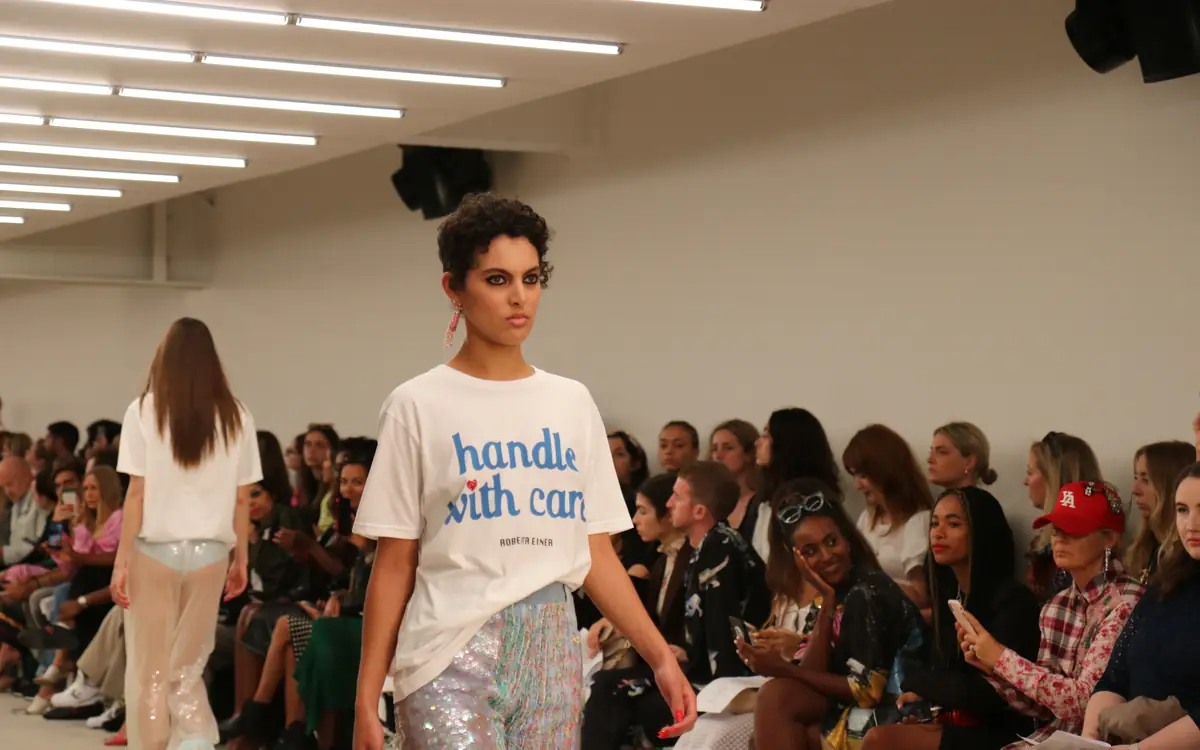
Fashion weeks in cities such as Paris, Milan, London and New York, along with many regional fashion weeks, have long been dominated by established media. Social platforms changed that: independent creators now cover shows, street style and industry events, and some have built entire careers around it.
Access is limited, competition is fierce and the same images flood every feed within minutes. This guide covers how independent creators can get access, behave ethically and produce coverage that stands out.
Understanding the structure
Each major fashion week is organised by an official body, such as the Fédération de la Haute Couture et de la Mode in Paris, the Camera Nazionale della Moda Italiana in Milan, the British Fashion Council in London and the CFDA, which publishes the official New York Fashion Week schedule. These bodies publish official schedules, but individual shows are run by the brands themselves, which decide who receives invitations.
There are usually three tiers of access:
- Show invitations: issued by each brand's PR team.
- Press or media accreditation: some organising bodies offer accreditation to media, which may give access to official venues, press areas or resources. Requirements vary and change.
- Public and off-schedule events: presentations, pop-ups, talks, parties and the streets outside the venues.
Getting access
Start local
Regional and smaller fashion weeks are often more accessible and welcoming to independent creators. Covering them well builds a portfolio.
Build relationships with PR
Brands' PR teams decide invitations. Introduce yourself professionally well before the season:
- Share your relevant coverage and audience information.
- Explain what you would produce and how it would benefit the brand.
- Be specific about which shows you would like to attend and why.
Requests made the week before are rarely successful.
Apply for accreditation where available
Check the organising body's website for media accreditation criteria and deadlines. Some require proof of regular fashion coverage and audience size.
Cover what is public
Even without invitations, there is plenty to cover: street style outside venues, public events, city guides, behind-the-scenes of your own experience, and analysis of collections from official livestreams and published images.
Street-style ethics
Street-style photography is a huge part of fashion week content, and it raises questions of consent and respect.
- Ask before photographing people up close, especially if you plan to use images commercially.
- Respect "no" immediately.
- Do not block entrances, roads or pavements; crowds of photographers can create safety issues.
- Be careful with minors.
- Credit people by name or handle when they wish to be credited.
- Understand image rights: laws on photographing people in public and using their images differ by country. Using a street-style image in advertising or for commercial purposes generally requires permission.
Producing coverage that stands out
Every creator at fashion week has the same runway images and the same street-style shots. To stand out, bring something others do not.
Analysis, not just images
Explain what you see: themes across collections, references, materials, silhouettes, how a collection relates to the designer's history. Thoughtful analysis is rarer than photos.
A specific lens
Cover fashion week from your niche: sustainability, menswear, plus-size representation, accessories, beauty looks, wearability for everyday life, budget-friendly interpretations.
Behind the scenes
Show what fashion week is actually like: the queues, the running between venues, the work involved. Audiences find the reality fascinating.
Practical takeaways
"Five runway trends you can wear with what you already own" or "How to recreate this beauty look for everyday" translate fashion week into something viewers can use.
Workflow
Fashion week is exhausting. Plan ahead:
- Before: research the schedule, brands and designers; prepare templates for posts; charge and pack equipment.
- During: capture lots of material, post quick highlights, and save deeper analysis for later. Keep notes of who you photographed and their handles.
- After: publish roundups, trend analyses and long-form pieces in the following days and weeks, when interest is still high but the feeds are less crowded.
Kit
- Phone and/or camera with fast autofocus.
- Spare batteries and power banks.
- Memory cards with plenty of space.
- Comfortable shoes.
- A small, light bag.
Respect copyright
Runway photos taken by official photographers and agencies are copyrighted. Do not repost them without permission or a licence, even with credit. Use your own photos, officially provided press images under their terms, or brands' own posts shared through platform sharing tools where that is permitted.
Disclosure
If brands give you gifts, hospitality, travel or payment around fashion week, disclose it clearly in relevant content.
Building a long-term presence
Fashion week coverage is cyclical: the big four cities run womenswear seasons twice a year, plus menswear and couture calendars. Covering them consistently, with a clear perspective, builds a reputation. Over time, PR teams notice creators who produce thoughtful, professional coverage, and invitations follow.
Start small, bring a perspective, respect people and copyright, and focus on what only you can add. That is how independent creators earn a seat at the show.
A sample day-of kit list
- Phone with plenty of free storage, plus a power bank and cables
- Camera with spare batteries and memory cards, if you use one
- Compact microphone for interviews
- Comfortable shoes (and a change of shoes if dressing up)
- Printed and digital copies of invitations, confirmations and accreditation
- Business cards or a QR code linking to your portfolio
- Water and snacks: schedules often leave little time to eat
- Weather protection for you and your gear
- Notebook or notes app for names, spellings and show details
Planning a coverage schedule
Fashion weeks often have more events than one person can attend. Plan around your angle:
- List events you have access to, plus public events and street-style locations.
- Prioritise by fit with your audience, not prestige.
- Allow travel time between venues; delays are common.
- Block editing time each evening so coverage goes out while it is still timely.
- Plan evergreen pieces, such as trend analyses or "what I learned", for the days after.
Consent and model releases
When photographing people for street style, ask before shooting where possible, and always ask before publishing close portraits. Note people's names and social handles if they want credit. For brand or commercial use of a person's image, a written model release is usually needed. Laws differ by country, so check local rules.
Frequently asked questions
Can I attend fashion week without an invitation? Many shows are invitation-only, but public events, street-style areas and city-wide programmes are often open.
Can I sell my street-style photos? Selling for editorial use is common; commercial and advertising use usually requires model releases.
How quickly should coverage go live? Short-form social posts within hours; longer analyses within a few days.