Outfit Photos on a Phone: Angles, Light and Poses for Fashion Creators Shooting Alone
How to take flattering, accurate outfit photos on your own with a phone, including tripod set-up, lens choice, angles, light, poses and a simple editing routine.
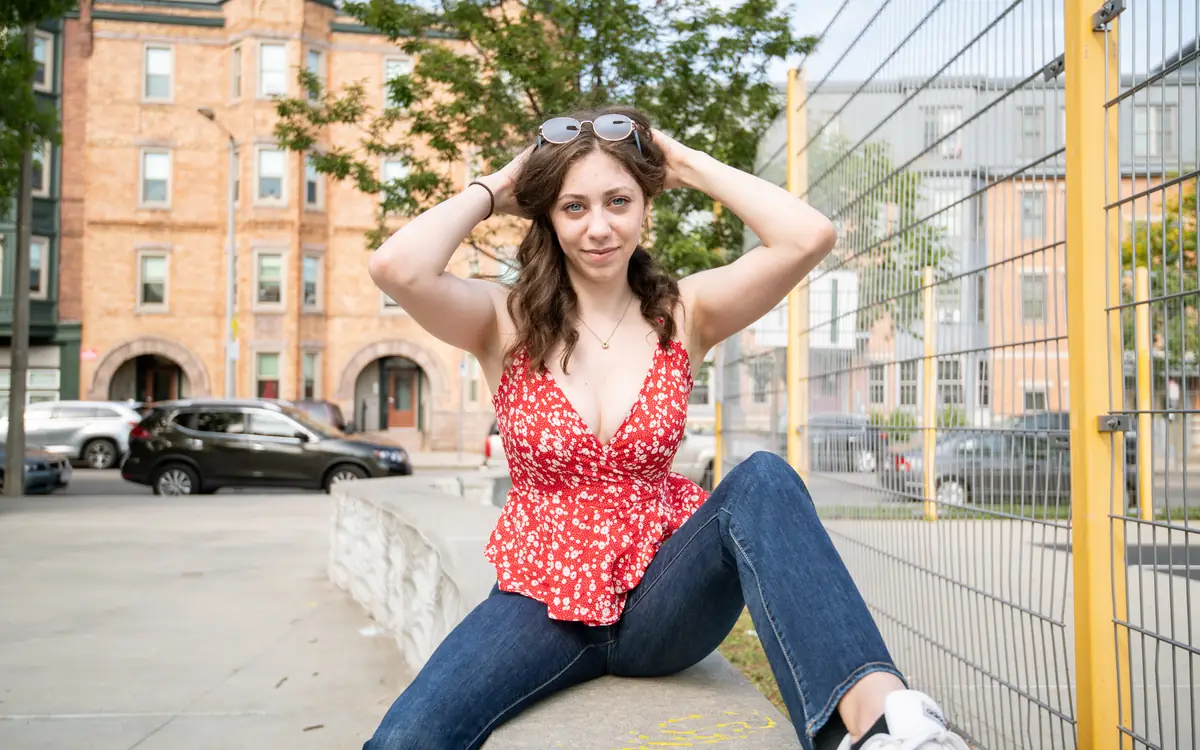
Fashion content lives or dies on outfit photos, and most fashion creators take them alone: a phone, a tripod and a self-timer. The good news is that a modern phone is perfectly capable of great outfit photos. The challenge is technique.
The basic kit
- A phone, with lenses cleaned before every shoot.
- A tripod that extends at least to chest height. Short desk tripods force low, unflattering angles or awkward stacking on furniture.
- A Bluetooth remote or your phone's timer, voice or gesture shutter.
- Optional: a small clip-on light or reflector for indoor shoots.
Choose the right lens
Most phones have several lenses. For full-length outfit photos:
- The main (1x) lens is often the best compromise for quality and field of view.
- The telephoto lens (2x or more) compresses perspective, which can make proportions look more natural and backgrounds less cluttered, but needs more distance between you and the phone.
- Avoid the ultra-wide lens for full-body shots unless you want a stylised look; it distorts proportions, especially near the edges of the frame.
If you have enough space, stepping back and using a 2x lens often produces the most flattering, magazine-like results.
Camera height and angle
Camera height dramatically changes how proportions look.
- For full-length shots, position the phone at roughly waist to hip height and keep it level. This keeps your proportions accurate.
- Shooting from slightly lower and keeping the phone level makes legs look longer. Do not tilt the phone upward too much, which distorts the body.
- Shooting from above shortens the legs and is usually unflattering for full-length outfits.
- For detail shots of shoes, bags or jewellery, move closer and change height to match the item.
Turn on your camera's grid to keep vertical lines straight. Wonky door frames and walls are a giveaway of a rushed shot.
Light
Outdoors
- Open shade (under a tree, beside a building, on an overcast day) gives soft, even light and accurate colours.
- Golden hour, the hour after sunrise and before sunset, gives warm, flattering light, but colour accuracy suffers. Good for mood, less good if you need viewers to see the true colour of a garment.
- Harsh midday sun creates strong shadows and squinting. If you must shoot then, find shade or stand with the sun behind you and expose for your face.
Indoors
- Stand facing a large window, with the phone between you and the window, for soft, flattering light.
- Turn off warm room lights to avoid mixed colour casts.
- Use a white wall or a reflector opposite the window to fill in shadows.
Background and location
- Simple, uncluttered backgrounds keep attention on the outfit.
- Colour and texture that complement the outfit add polish: a brick wall, a painted door, greenery.
- Consistent locations help build a recognisable feed.
- Check the edges of the frame for bins, cars, cables and people.
Poses that look natural
Shooting alone, it is easy to look stiff. These help:
- Weight on one leg. Shift your weight to the back leg and bend the front knee slightly.
- Movement. Walk toward the camera, turn, adjust a sleeve, flip a jacket. Use burst mode and pick the best frame.
- Hands. Give them something to do: hold a bag, put a hand in a pocket, touch a collar, adjust sunglasses.
- Angles. Turning your body slightly away from the camera, around 30 to 45 degrees, is often more flattering than facing it straight on.
- Look away. Not every photo needs eye contact. Looking down, to the side or over your shoulder adds variety.
- Show the details. Lift the hem to show shoes, turn to show the back of a coat, hold a bag forward.
Shoot a set, not a single shot
For each outfit, aim for:
- Full-length front.
- Full-length three-quarter or side.
- Back, if relevant.
- Half-length showing the top half.
- Two or three details: fabric, shoes, accessories.
- A movement shot.
A set like this works for carousels, gives you options and helps viewers understand the outfit.
Accuracy matters
Fashion viewers increasingly want to know what clothes really look like. Be honest:
- Use neutral light to show true colours, at least in one image.
- Show fit honestly. Clipping clothes at the back to make them look more fitted, without saying so, misleads viewers.
- Mention your height and the sizes you are wearing.
- If you edit body shape, do not. If you retouch skin, keep it light.
Editing
A simple routine:
- Straighten and crop so verticals are vertical.
- Adjust exposure and white balance for accurate colour.
- Lift shadows slightly and reduce highlights if needed.
- Apply a consistent preset, then adjust per image.
- Remove distractions with a healing tool: litter, stray hairs, a passing car.
Avoid strong filters that change garment colours, and avoid body-reshaping tools.
Video
The same principles apply to video. Shoot vertical for Reels, TikTok and Shorts. Lock exposure and focus so they do not shift as you move. Short movements such as walking toward the camera, a turn or showing a detail make good clips. Combine several clips with simple cuts to show an outfit from multiple angles.
A ten-minute shoot routine
- Choose a location with soft light and a clean background.
- Set the tripod at waist-to-hip height, level, with the grid on.
- Choose the 1x or 2x lens and frame with a little space above your head and below your feet.
- Lock focus and exposure.
- Use burst mode with a remote and shoot the set of poses.
- Check a few frames, adjust, and shoot again.
Practise it a few times and it becomes routine. Then your attention can go where it belongs: the clothes, the styling and the story you want to tell.
Frequently asked questions
Should I use the 0.5× ultra-wide lens? It can elongate legs when held low, but it distorts proportions near the edges. Use it deliberately and keep yourself near the centre.
What time of day is best? Overcast days and the hour after sunrise or before sunset give the softest outdoor light.