Body-Inclusive Fashion Content: Sizing, Fit and Language That Help Every Viewer
How fashion creators can make content useful across sizes and bodies, with honest fit information, inclusive language, collaboration and practical styling advice.
Fashion content has long been dominated by a narrow range of body types, and many viewers have spent years scrolling past outfits that tell them little about how clothes would look on them. Body-inclusive content, which shows a range of sizes and shapes and gives honest fit information, has grown in popularity because it is genuinely more useful.
You do not need a particular body type to make inclusive content. You need honesty, good information and a willingness to share the space.
Why it matters
- Usefulness: viewers want to know how clothes fit real bodies.
- Trust: honest fit information builds credibility.
- Reach: many people are actively looking for creators who look like them or address their fit challenges.
- Wellbeing: a wider range of bodies in fashion content can support healthier attitudes to body image.
Share honest fit information
The most useful thing any fashion creator can do is give clear, honest fit details:
- Your height and, if you are comfortable, relevant measurements such as bust, waist and hip.
- The size you are wearing and your usual size in that brand or in general.
- How it fits: true to size, runs small or large, roomy in the shoulders, short in the leg.
- What you would change: sizing up for a looser fit, needing to hem.
- Fabric: stretch, structure, transparency, how it moves.
Show the fit honestly: from the front, side and back; sitting and moving. Avoid clipping or pinning clothes at the back to make them appear more fitted without saying so.
Language that includes
Language shapes how viewers feel about their bodies.
Avoid
- "Flattering" as a default praise word, which often implies "makes you look thinner".
- "Hiding" or "disguising" body parts.
- "Problem areas".
- Rules framed as restrictions: "If you're curvy, never wear…".
Prefer
- Describing what a garment does: "This cut emphasises the waist", "This hem hits mid-calf", "This fabric skims rather than clings".
- Personal preference: "I like how this feels", "I prefer more room in the hips".
- Options rather than rules: "If you want to emphasise your waist, a belt can help".
Neutral, descriptive language lets viewers decide what they want from their clothes.
Represent a range of bodies
Collaborate
If you are only able to show one body type, collaborate with creators of different sizes, heights, ages and abilities. "Same outfit, four bodies" is a popular format that is genuinely informative. Credit and compensate collaborators fairly, and let them speak for themselves.
Showcase brands with broad size ranges
Highlight brands that offer extended sizes, petite and tall ranges, adaptive clothing and consistent sizing across their ranges. Be specific: "This brand goes up to UK 32 in this style" is useful.
Call out gaps
If a brand's size range is limited, or its larger sizes are only available online, say so. Audiences appreciate creators who notice.
Adaptive fashion
Adaptive clothing designed for disabled people, with features such as magnetic closures, seated cuts and sensory-friendly fabrics, is often under-covered. Learning about it, and amplifying disabled creators, can broaden your content and your audience.
Styling advice that works across bodies
Good styling advice focuses on proportion, fabric and personal preference rather than rules for body types.
- Proportion: how lengths and volumes interact. Cropped jackets with high-waisted trousers, or long cardigans with straight trousers, create different lines.
- Fit points: where a garment should fit (shoulders for jackets, waist for trousers), and where tailoring helps.
- Fabric: structured fabrics hold shape; drapey fabrics move with the body.
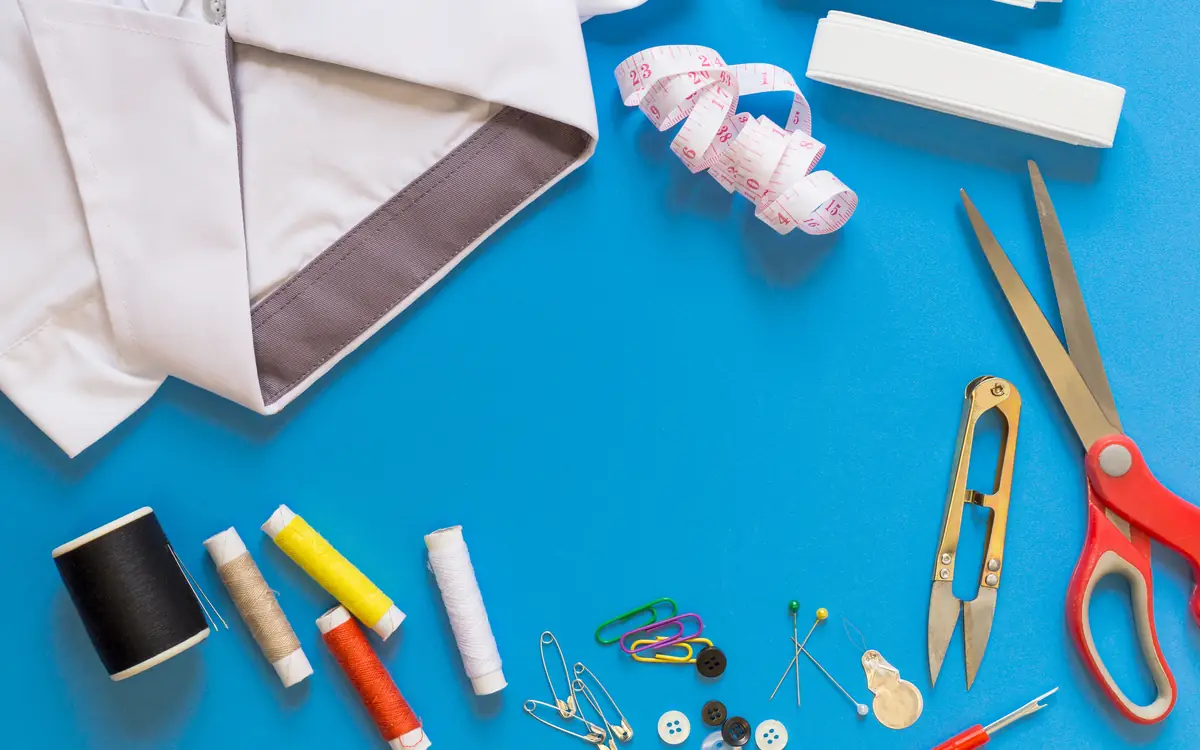
- Tailoring: simple alterations such as hemming and taking in can transform off-the-rack clothes.
- Comfort: clothes you feel comfortable in are clothes you will wear.
Avoid body commentary
- Do not comment on other people's bodies in your content, even positively.
- Do not encourage viewers to change their bodies to fit clothes.
- Do not mix fashion content with diet or weight-loss content unless that is clearly your niche and done responsibly.
- Moderate comments that body-shame you or others.
Sizing data and shopping help
Practical content that helps viewers shop:
- Brand sizing guides: how sizes compare across popular brands.
- Measurement guides: how to measure yourself accurately.
- Fit reviews by body type, with consent and collaboration.
- Returns tips: brands with easy returns for trying sizes.
Handling sponsored content
If a brand partners with you, ask about their size range. Many creators now decline partnerships with brands that offer very limited sizes, or ask the brand to work with creators of different sizes in the same campaign.
Taking care of yourself
Fashion content involves putting your body on camera, which can attract unkind comments. Use moderation tools, keyword filters and comment restrictions. Take breaks when you need to.
Quick checklist
- Height, size worn and usual size stated
- Fit described honestly from several angles
- Neutral, descriptive language
- A range of bodies represented, through collaboration if needed
- Size ranges and gaps mentioned
- No body commentary or diet talk
- Comments moderated
Body-inclusive content is not a trend; it is better information. When more viewers can see themselves in your content, more of them will trust, save and act on what you share.
Worked example: an honest fit note
Instead of "fits true to size", a fit note might read:
"I'm 5'4" and usually wear a UK 16. This is a size 16. It fits well across the shoulders and is slightly loose at the waist; the sleeves hit just past my wrist. The fabric has a little stretch. If you're between sizes and prefer a closer fit, consider sizing down."
This gives viewers concrete information to compare with their own bodies, without commenting on anyone's body as good or bad.
Measuring for fit notes
Share measurements only if you are comfortable doing so. Useful ones include height, bust, waist, hip and inseam, measured consistently. Some creators share only their usual size and height, which is also helpful.
Collaborating across sizes
To show how pieces work on different bodies, collaborate with creators of other sizes and body types, with fair payment or reciprocal value, clear credit and consent for how images are used. Let collaborators describe their own bodies and choose their own language.
Frequently asked questions
Is "flattering" a bad word? It often implies that the goal is to look slimmer. Many creators prefer specific language, such as "defines the waist" or "adds structure at the shoulder".
What if a brand only sends sample sizes? Ask whether other sizes are available. If not, say so honestly in your content.