Books Worth Reading for Bloggers and Creators: Editorial Picks
A selection of widely read books on writing, creativity, marketing and work habits, with a short, honest note on what each offers creators and who it suits.
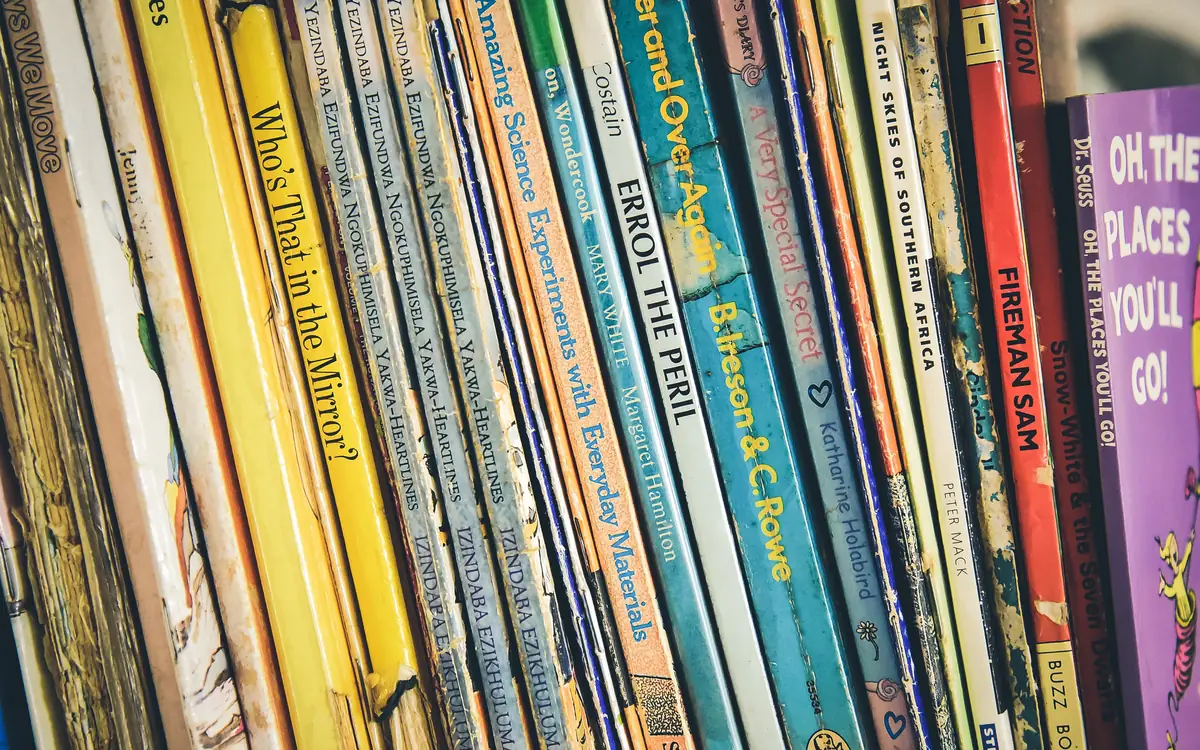
Books remain one of the best ways to learn the craft and business of creating. This is our editors' selection of widely read titles. It is not a ranking, and we have no affiliate relationship with any bookseller for this list. Descriptions are our own summaries of each book's general focus; read reviews and samples to decide if a book suits you.
On writing
1. On Writing by Stephen King
Part memoir, part craft guide. Its practical sections on reading widely, writing daily and cutting unnecessary words are widely cited by writers of all kinds.
2. The Elements of Style by William Strunk Jr. and E. B. White
A short, influential style guide. Some rules are debated today, but its emphasis on clarity and concision remains useful.
3. On Writing Well by William Zinsser
A classic guide to nonfiction writing, focused on clarity, simplicity and humanity. Particularly relevant for bloggers and essayists.
4. Bird by Bird by Anne Lamott
A warm, honest book about the writing life, known for advice on taking work step by step and accepting imperfect first drafts.
5. Several Short Sentences About Writing by Verlyn Klinkenborg
A book that encourages close attention to every sentence. Useful for writers who want to sharpen their prose.
On creativity
6. The War of Art by Steven Pressfield
A short book about resistance and the discipline of creative work.
7. Steal Like an Artist by Austin Kleon
A concise, illustrated book about influence, creativity and originality.
8. Show Your Work! by Austin Kleon
Encourages sharing your process publicly, highly relevant for creators building an audience.
9. Big Magic by Elizabeth Gilbert
A book about creativity, curiosity and fear, popular with creators of many kinds.
On audience and marketing
10. This Is Marketing by Seth Godin
Argues for marketing that serves a specific audience and makes a meaningful change, rather than mass messaging.
11. Building a StoryBrand by Donald Miller
A framework for clear messaging, focusing on the customer as the hero of the story.
12. Contagious by Jonah Berger
Explores why some ideas and products spread, based on research.
13. Made to Stick by Chip Heath and Dan Heath
Examines why some ideas are memorable, with principles useful for headlines, explanations and teaching.
On creator business
14. The Creative Act by Rick Rubin
A reflective book about creativity rather than business, but popular with creators thinking about their practice.
15. Company of One by Paul Jarvis
Argues for staying small and sustainable rather than pursuing constant growth.
16. Essentialism by Greg McKeown
About focusing on what matters most and saying no to the rest, useful for overwhelmed creators.
On habits and productivity
17. Atomic Habits by James Clear
A widely read book on building small, consistent habits.
18. Deep Work by Cal Newport
Argues for focused, distraction-free work, relevant for creators juggling platforms and notifications.
19. Digital Minimalism by Cal Newport
Explores a more intentional relationship with technology and social media.
On visual storytelling
20. Understanding Comics by Scott McCloud
A comic about comics that explains visual storytelling principles applicable well beyond comics.
How to get the most from reading
- Take notes in your own words.
- Apply one idea at a time.
- Revisit favourites every few years.
- Borrow from libraries to try books before buying.
Related reading
See our composite guide to classic writing advice and our guide to blog introductions that work.
How to choose your next book
- For writing problems (unclear posts, slow drafting), start with Zinsser, King or Lamott.
- For creative block, try Pressfield, Kleon or Gilbert.
- For audience and messaging, try Godin, Miller, Berger or the Heath brothers.
- For overwhelm and focus, try McKeown or Newport.
- For habits, try Clear.
- For thinking about sustainable business size, try Jarvis.
Turning reading into practice
Reading only helps if it changes what you do. A simple method:
- While reading, mark ideas that apply to your work.
- After finishing, write a one-page summary in your own words.
- Choose one idea to apply for the next month.
- Review after a month: did it help?
- Share what you learned with your audience, in your own words and with credit to the author.
Sharing book notes can make good content, but summarise and comment rather than reproducing large passages, which may infringe copyright.
Building a reading habit
- Read for twenty minutes at a fixed time each day.
- Keep a book with you for waiting time.
- Try audiobooks for commutes and chores.
- Use your local library, including its digital lending services.
- Join or start a reading group with other creators.
Frequently asked questions
Are older books still relevant? Books on writing, creativity and habits age well because the fundamentals change slowly. Books on specific platforms or tactics date quickly.
Should I read books on my specific platform? They can be useful for practical skills, but check publication dates. Platform features change often, so pair books with current official documentation.
What if a book's advice contradicts another? It often will. Writers and thinkers disagree. Test ideas in your own work and keep what works for you.
Why are there no affiliate links on this list? We wanted to keep the selection independent. Our editorial policy explains how we handle commercial relationships.
A suggested first-year reading order
For a new creator, a reading sequence that builds from craft to business:
- On Writing Well (clear communication)
- Show Your Work! (sharing publicly)
- Atomic Habits (consistency)
- Made to Stick (memorable ideas)
- This Is Marketing (audience)
- Essentialism (focus)
Six books in a year is realistic for most busy people and covers the main skills creators rely on.
Frequently asked questions
Audiobooks or print? Both count. Audiobooks suit commutes; print or ebooks make note-taking and revisiting passages easier.
What if I don't enjoy a book? Stop and pick another. Finishing a book you are not learning from costs time you could spend on one that helps.