Your First 500 Email Subscribers: A Step-by-Step Plan for Creators
Why email is the channel you own, how to choose a newsletter tool, what to offer, where to place sign-up forms and how to reach your first 500 subscribers.
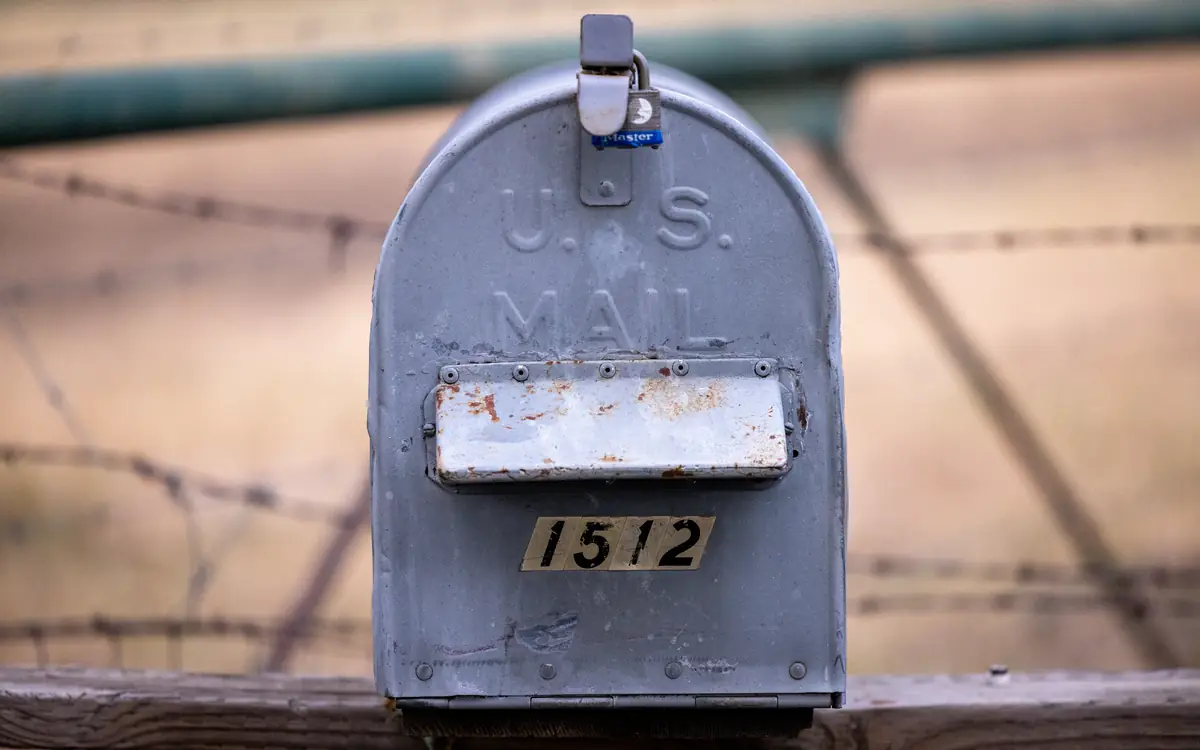
Social platforms are rented land. An algorithm change, a policy update or an account suspension can cut you off from an audience you spent years building. Your email list is different: it is a direct line to people who explicitly asked to hear from you, and you can take it with you to any tool.
This plan is for creators starting from zero. It focuses on the first 500 subscribers, which is the hardest stretch and the one where most people give up.
Step 1: Decide what your newsletter is
Before choosing tools, write one sentence describing your newsletter in terms of what the reader gets:
- "A Friday email with one film-photography technique and three photos that use it."
- "A monthly roundup of new sustainable fashion brands, with prices and honest notes."
- "Behind-the-scenes notes from my studio, sent whenever I finish a piece."
The sentence should answer what, how often and why it is worth opening. If you cannot write it yet, you are not ready to promote a newsletter; you are ready to experiment with one.
Step 2: Choose a tool, briefly
Most newsletter tools are good enough for your first 500 subscribers, and many are free up to a certain number. Choose based on three things:
- Does it let you export your list? Essential. Check before you sign up.
- Can you embed forms on your own site? Important if you have a blog.
- Does it match your format? Writing-heavy newsletters suit tools built for writers; creators who sell products may prefer tools with automation and e-commerce integrations.
Do not spend more than an afternoon choosing. You can migrate later, as long as you can export.
Set up the essentials: a clear sender name (your name or your brand), a reply-to address you actually read, and authentication records (SPF, DKIM and DMARC) on your domain if you send from it. Your newsletter tool's documentation will walk you through these. They significantly help deliverability.
Step 3: Write a welcome email
The welcome email is often the most-opened email you will ever send. Use it to:
- Thank the person and confirm what they signed up for.
- Set expectations: what you send and how often.
- Give them something useful immediately: your best piece, a resource, a tip.
- Ask a simple question they can reply to: "What are you working on right now?"
Replies are valuable. They tell you what your audience needs, and inbox providers treat replies as a strong sign that your emails are wanted.
Step 4: Decide whether you need a lead magnet
A lead magnet is something you give in exchange for a sign-up: a checklist, template, mini-guide, preset pack or short email course. They can work well, but they are not always necessary.
Use one if your newsletter is practical and a specific resource naturally leads into it. A photographer offering a free guide to editing film scans attracts exactly the readers who want the newsletter.
Skip it if the newsletter itself is the attraction, as with essays, curation or personal updates. A clear description of what readers get may convert just as well, and the subscribers you attract are there for the newsletter, not a freebie.
If you make one, keep it small and specific. A one-page checklist that solves a real problem beats a 40-page ebook nobody reads.
Step 5: Place sign-up forms where interest is highest
On a blog or website, the best-performing placements are usually:
- At the end of posts. The reader has just finished something of yours and enjoyed it.
- Within posts, after a particularly useful section, especially in long guides.
- On a dedicated newsletter page you can link to from everywhere.
- In the site header or navigation, as a simple "Newsletter" link.
Pop-ups can increase sign-ups but annoy readers and often cause accessibility problems. If you use one, show it only after meaningful engagement (for example after someone has scrolled most of a post), make it easy to close and never show it on mobile in a way that covers the content.
Make the call to action specific: "Get one film technique every Friday" beats "Subscribe to my newsletter".
Step 6: Bring social followers across
If you already have an audience on social platforms, your first few hundred subscribers will probably come from there. Practical tactics:
- Put the newsletter link in your profile, with a one-line description.
- Mention the newsletter at the end of your best-performing posts or videos, with a specific reason to join: "I go into the full editing process in Friday's newsletter."
- Share a preview of a newsletter issue, then direct people to sign up to get the rest.
- Pin a post that explains the newsletter.
Do not just say "link in bio" repeatedly. Tell people what they will miss.
Step 7: Publish consistently for twelve weeks
Your first issues will go to a handful of people. Send them anyway, on schedule. Consistency builds habits on both sides, and you will refine the format quickly.
Each issue should deliver the promise in your one-sentence description. Keep a simple structure so readers know what to expect. Ask one question per issue to encourage replies.
Step 8: Grow through others
Once you have a dozen issues and a clear identity, start growing beyond your own audience:
- Recommendations and swaps. Many newsletter tools let writers recommend each other. Find newsletters with an overlapping but non-competing audience and propose a mutual recommendation.
- Guest contributions. Write a guest issue or article for a larger newsletter or blog in your niche, with a sign-up link.
- Communities. Be genuinely helpful in forums and communities. Share the newsletter only where it is directly relevant and allowed.
- Make issues shareable. Publish them on the web with a sign-up form, so they can be found through search and passed around.
What to measure
Ignore vanity metrics early on. Focus on:
- Sign-up conversion rate of each form.
- Replies per issue.
- Click rate on the main link in each issue.
- Unsubscribes after each issue, looking for spikes that suggest a mismatch.
Open rates have become less reliable because some email apps load images automatically, which inflates opens. Treat them as a rough indicator only.
Keep the list healthy
- Never buy or import lists of people who did not explicitly subscribe. It is against most tools' terms, damages your deliverability and is illegal in many places.
- Use double opt-in if your tool supports it; it keeps fake and mistyped addresses out.
- Every few months, remove subscribers who have not opened or clicked anything in a long time, after a short "do you still want these emails?" message.
A realistic timeline
Creators with an existing social audience often reach 500 subscribers in a few months. Starting from scratch with only a blog can take a year or more. Both are normal. What matters is that every subscriber chose to be there, which makes even a small list worth more than a large follower count.